
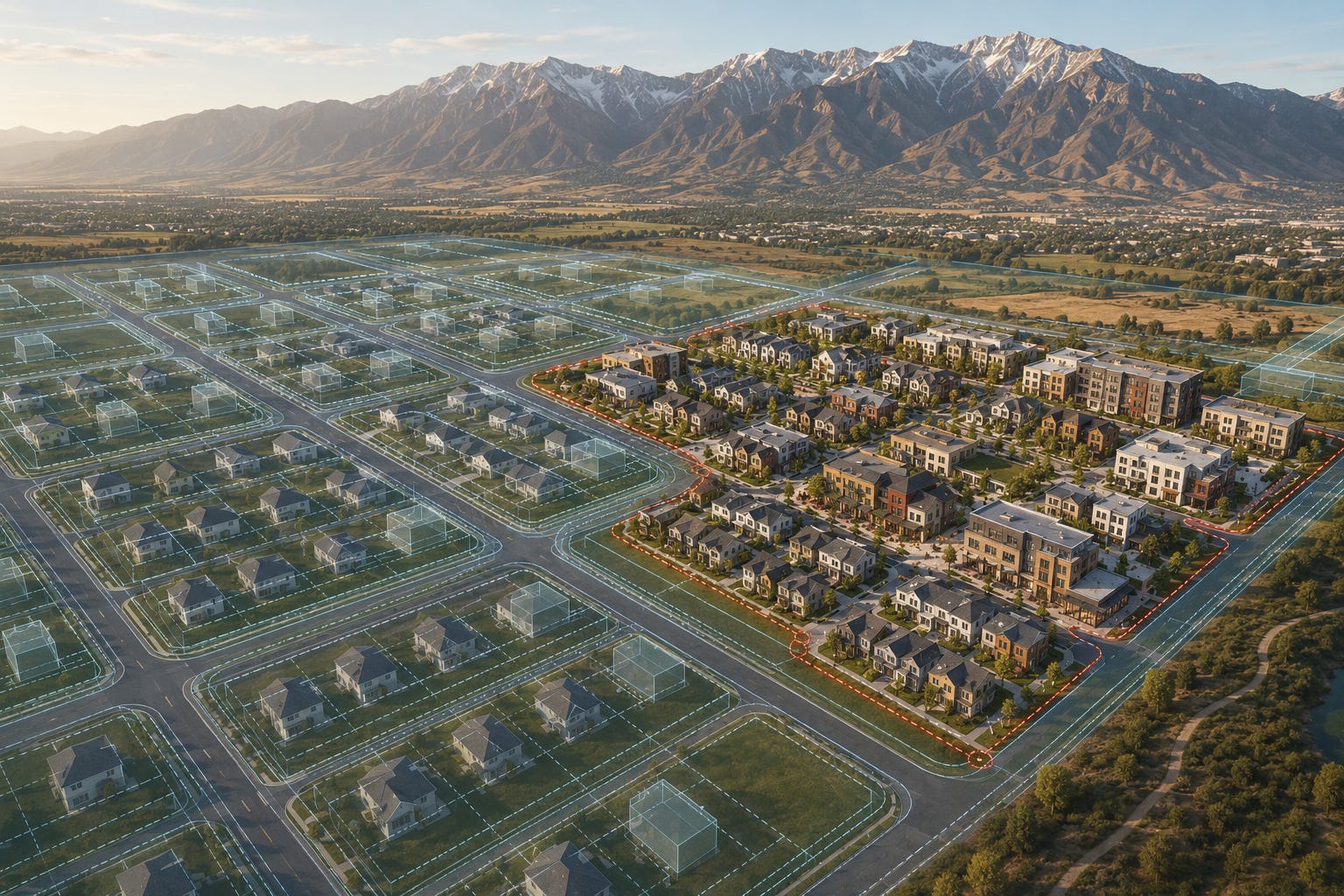
A housing market can be busy and still be misaligned.
This may be the most important starting point for an honest housing conversation. We tend to measure progress through permits, cranes, subdivisions, and unit counts. Those measures tell us whether we are building. They do not tell us whether we are building the homes people need, in the places they need them, or within a neighborhood pattern that helps daily life work.
On Wednesday, August 26, I will join Wasatch Advocates for Livable Communities for a virtual Lunch & Lead conversation about The Great Housing Reversal and what its central argument means for Utah. This will not be a condensed reading of the book or a formal lecture. It will be a guided conversation about the questions Utah must ask before its housing response hardens into another generation of mismatch.
EVENT: Lunch & Lead | The Great Housing Reversal
DATE: Wednesday, August 26, 2026
TIME: 12:00-1:00 p.m. Mountain Time
FORMAT: Virtual via Zoom
HOST: Wasatch Advocates for Livable Communities
REGISTRATION: https://us02web.zoom.us/meeting/register/XtHKM8S6TUmSHYhal0gHnA
Why Utah is the right place for this conversation
Utah is not a simple copy of the national housing story. It remains younger than the nation, its households are larger, and its culture retains a strong orientation toward family. Those differences matter. But they do not make Utah immune from the Great Housing Reversal. They make the question sharper.
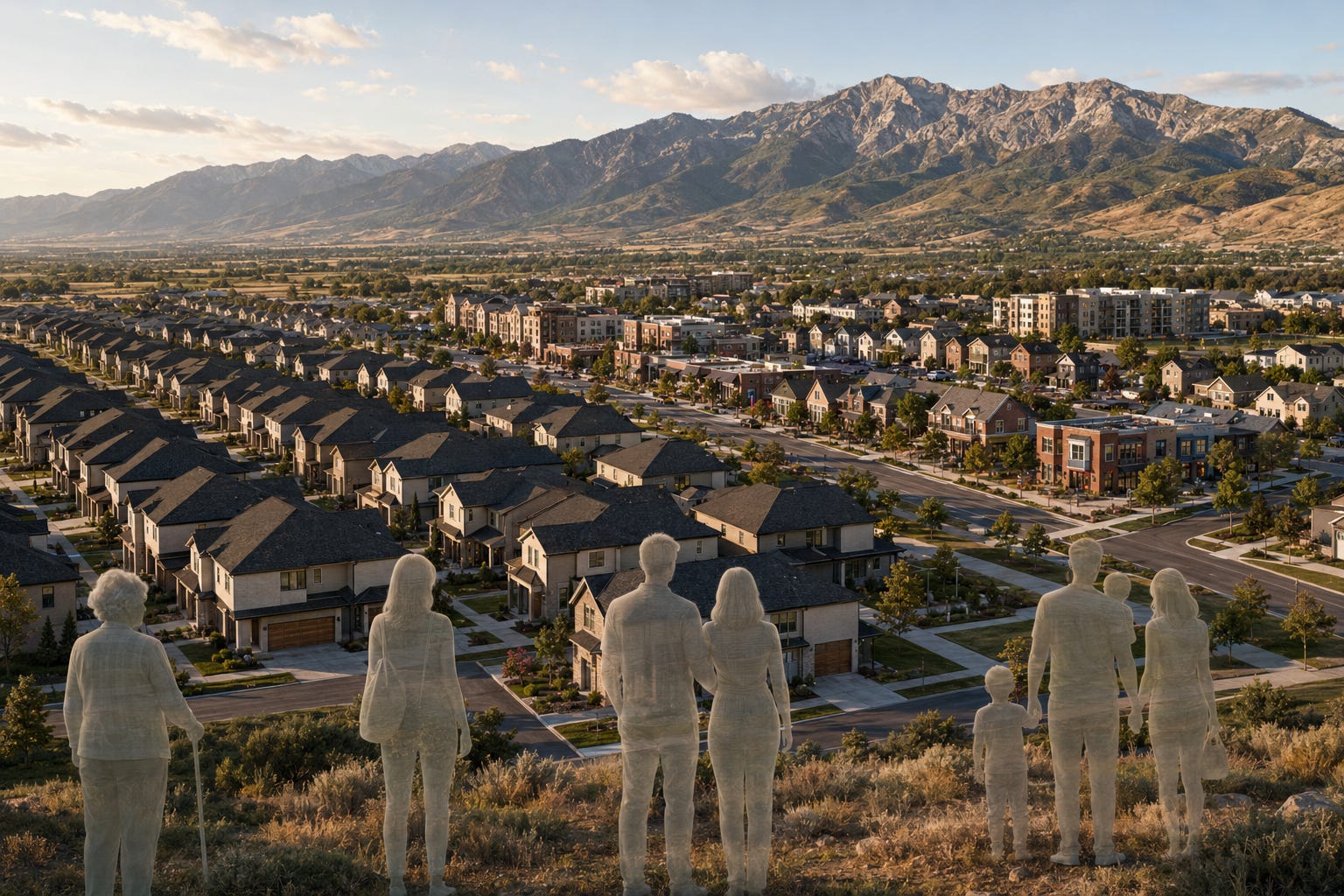
Can a state that values families continue to rely on a housing system that is increasingly difficult for young adults to enter, expensive for working households to navigate, and inflexible for older residents whose homes no longer fit their lives? A truly pro-family housing system must work across the whole life cycle - not only during the years when a large, detached house is useful.
I spent nearly two decades working in development along the Wasatch Front and eighteen years living in Daybreak. Utah is not a distant case study for me. It is one of the places where the questions behind this book first became visible: why some neighborhoods can absorb change and remain socially coherent, while others make every change in household size or life stage a reason to leave.
The questions behind the event
The Great Housing Reversal begins with a simple claim: the American housing system has drifted out of alignment with the realities of human life.
This Lunch & Lead conversation will examine what that misalignment looks like in Utah without pretending that one national formula can simply be imported and imposed.
What does it mean to say that zoning functions like a city’s DNA? Why can the market appear to want housing that the rules make difficult - or impossible - to build? Who is left without a reasonable rung on the housing ladder when the available choices narrow to a large, detached house on one end and a conventional apartment complex on the other? And why should walkability be understood as access and household resilience rather than as a lifestyle brand?
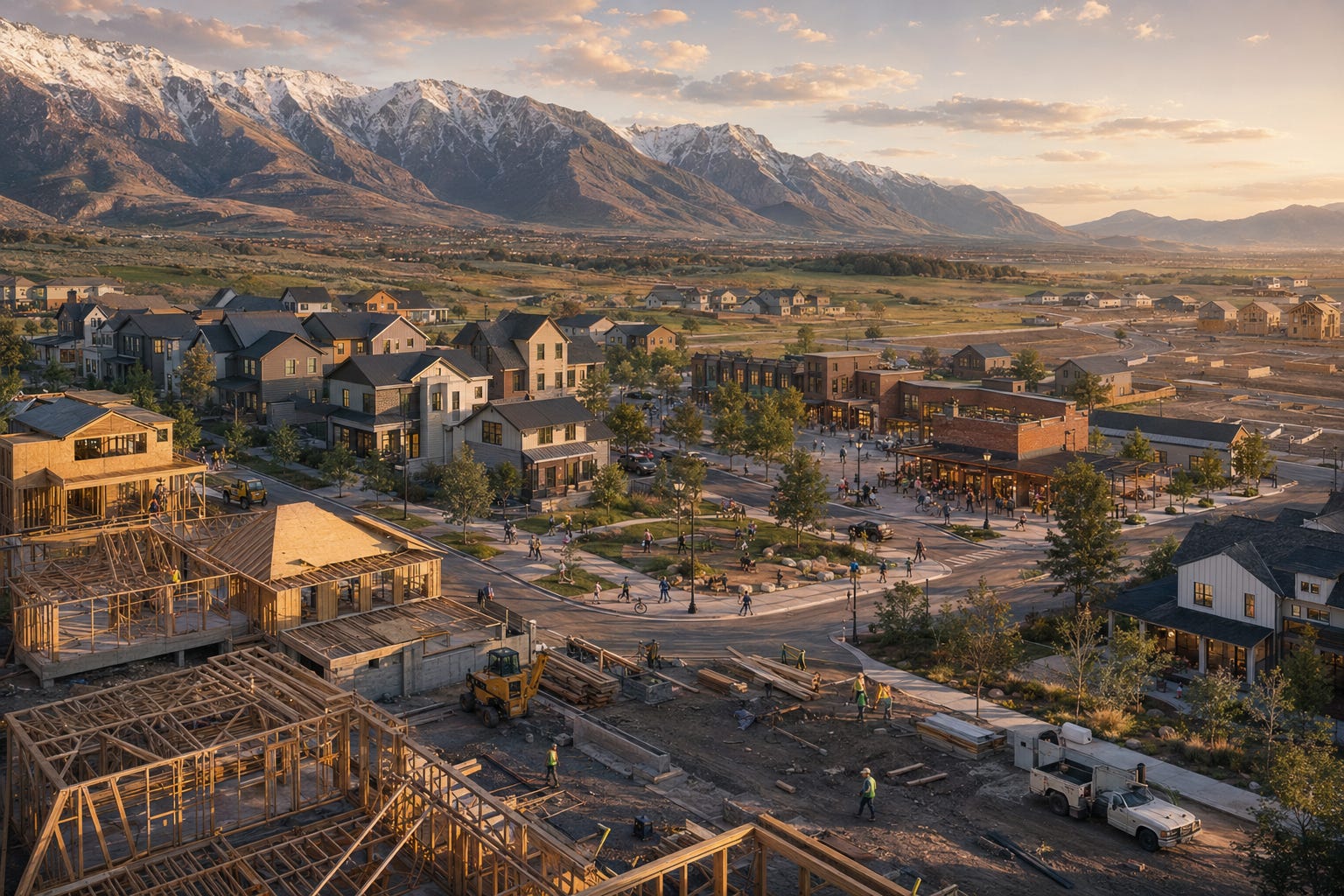
We will also look at the practical side of delivery. Builders do not operate outside the system. They work within the relationship among market demand, public policy, and development economics. If one of those legs is missing, the project fails. The important question is not merely whether a housing form has been discussed or technically permitted. It is whether that form is legal, predictable, financeable, repeatable, and capable of contributing to a complete neighborhood.
Who should join the conversation
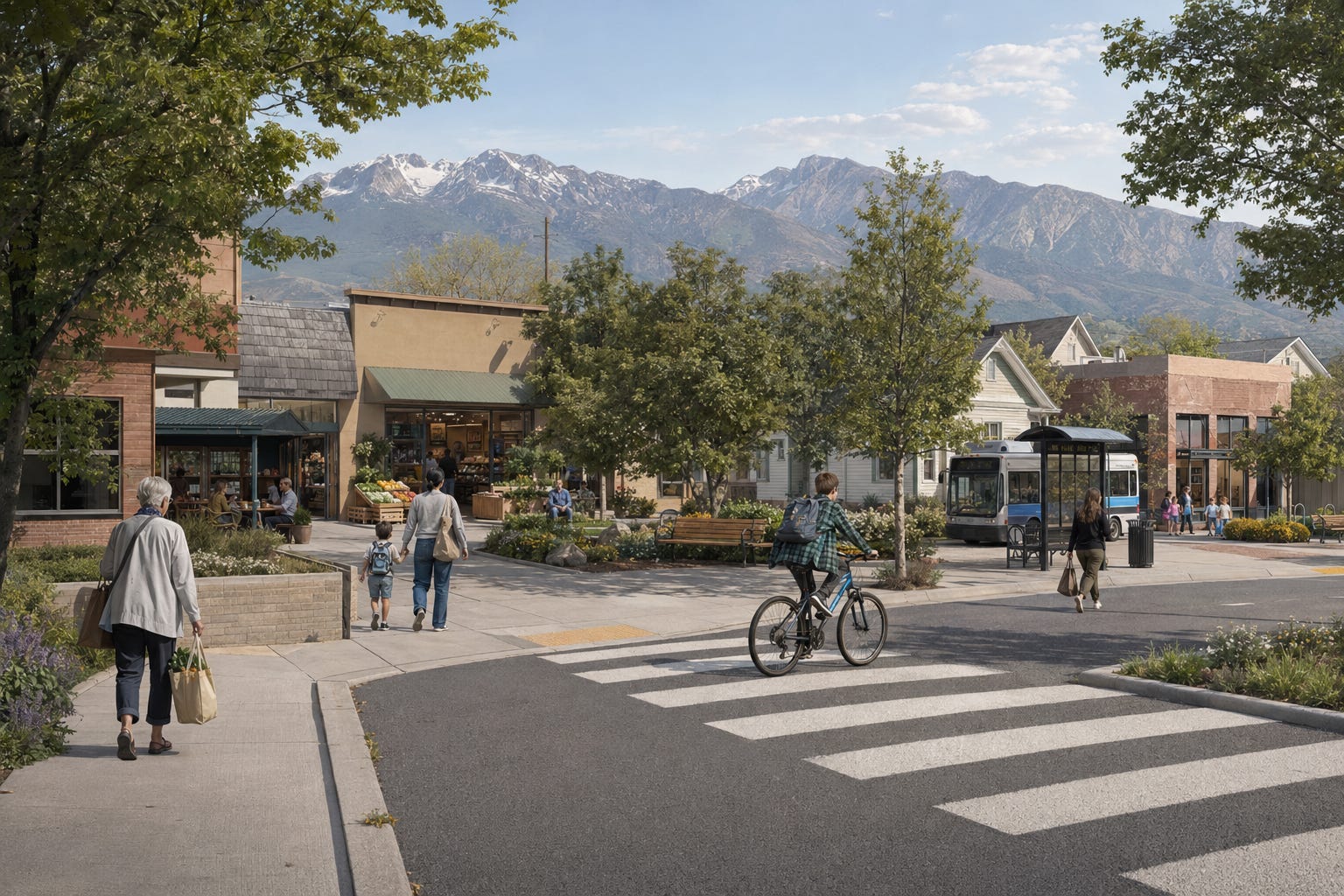
This Lunch & Lead will be useful for planners, builders, local officials, housing advocates, neighborhood leaders, and residents who sense that the current debate has become too narrow. It is especially relevant for anyone who believes Utah needs more housing but also recognizes that the form, location, tenure, price point, and relationship to daily needs determine whether new housing actually strengthens community.
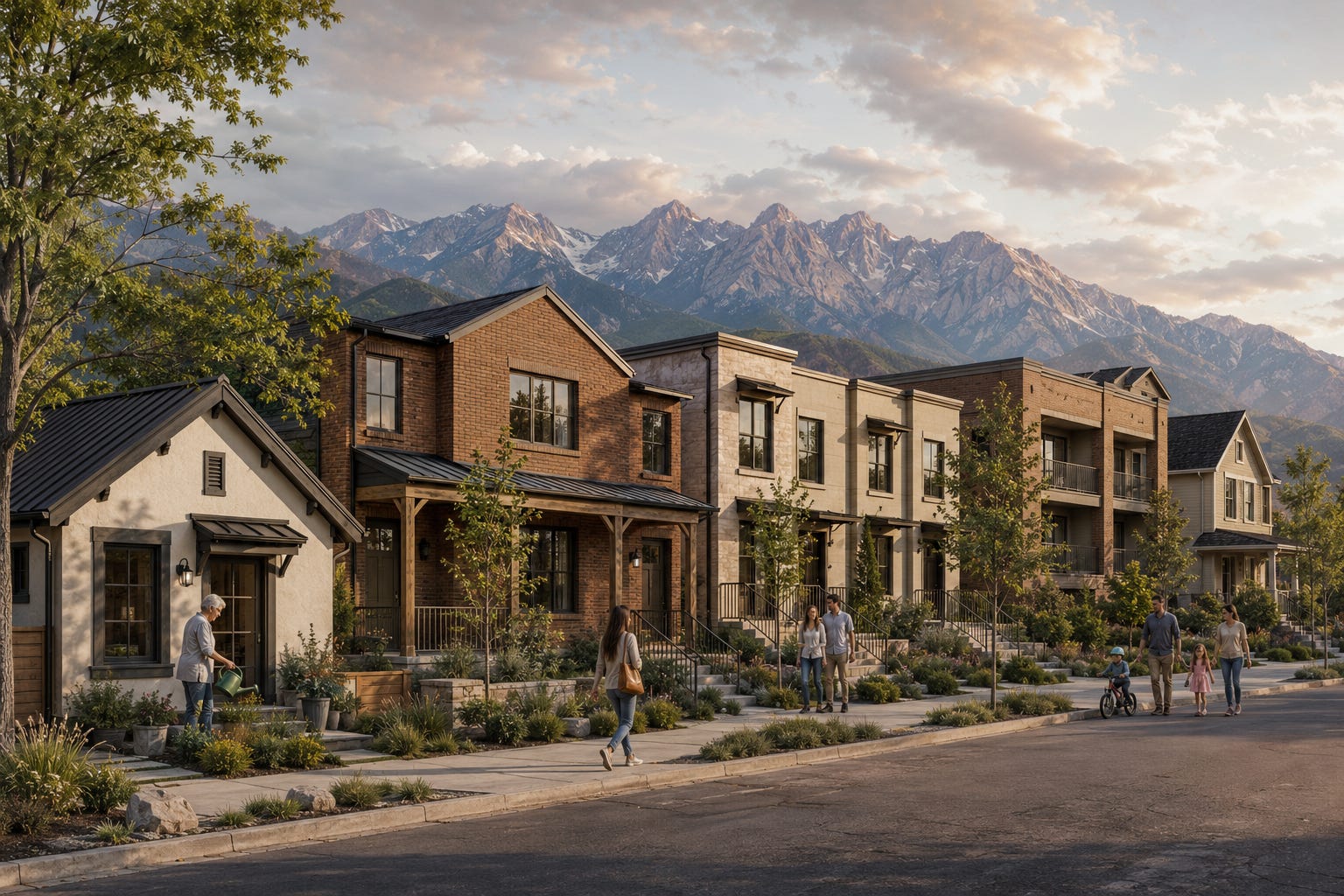
The purpose is not to argue for density as an abstract good or to dismiss the concerns people have about change. It is to ask better questions. More of what? Where? In what form? For which households? Connected to what daily needs? With what effect on the public realm, local infrastructure, transportation costs, stewardship of land, and the ability of people to remain rooted as their lives change?
An invitation to a more useful housing conversation
Housing choice is not created by adding isolated products to a map. It is created when land, design, code, market, and economics work together to give households real agency. That is the larger conversation behind The Great Housing Reversal, and it is the conversation I look forward to bringing back to Utah.
I hope you will join Wasatch Advocates for Livable Communities on August 26. Bring your questions, your objections, your local examples, and your experience with the systems that shape what Utah can build.
REGISTER FOR THE AUGUST 26 LUNCH & LEAD
https://us02web.zoom.us/meeting/register/XtHKM8S6TUmSHYhal0gHnA
The question is not whether Utah will grow. The question is whether that growth will only produce more housing units - or stronger communities.
This piece originally appeared on the Substack website. Click here to read the original article.