During a recent Salt Lake City Council discussion about housing, I said something that generated criticism.
While talking about our process for public engagement, I expressed concern that the process could disproportionately hear from homeowners who are older and white, while failing to hear from renters, younger families, people of color and others trying to find their place in our city.
I could have chosen my words more carefully. But I don’t want the controversy over my words to cause us to avoid the much more important conversation behind them: Who speaks for the people who don’t live here yet?
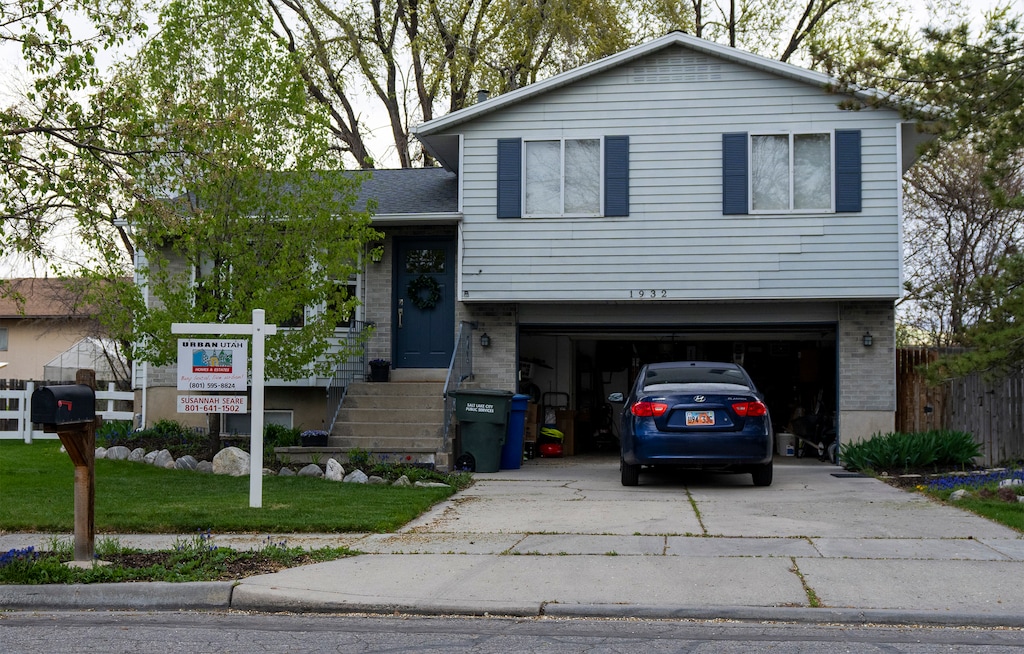
When the City Council considers changes to housing and zoning, the people I’ve seen participate the most are, understandably, the people already established here. They own homes. They know when meetings happen. They organize. They email us. They show up. They print booklets and make websites.
They have every right to do so. And elected officials have an obligation to listen to them. But there is another constituency that cannot make it to City Hall: The young couple wondering whether they will ever be able to afford a home in Salt Lake City. The family squeezed into an apartment that needs another bedroom. The renter who wants to stay in the neighborhood where they have built a life. The immigrant family trying to buy its first home. The teacher, firefighter, restaurant worker or city employee who increasingly wonders whether the city they serve will have a place for them. The people who haven’t moved here yet.
They don’t receive our public notices. They aren’t on neighborhood email lists. They don’t testify at public hearings. But the decisions we make today will determine whether they can call Salt Lake City home tomorrow.
That is why housing policy cannot simply be a referendum of the people who already own land.
There is also an uncomfortable history we shouldn’t ignore.
Across America, land-use rules, restrictive covenants and housing policies were used for generations to determine not simply what could be built, but who could live where. Salt Lake City was not magically exempt from that history. Historic property records in our own community still contain racially restrictive language that is legally unenforceable today but remains as evidence of a very real past.
Acknowledging that history is not the same thing as accusing today’s homeowners of racism.
Let me be clear about that distinction: Being white does not make someone racist. Being older does not make someone resistant to change. Owning a home does not make someone exclusionary. And disagreeing with a proposed housing ordinance certainly does not make someone a bigot.
Many residents raising concerns about housing proposals have legitimate questions about infrastructure, neighborhood character, affordability, parking, design and whether a particular policy will actually accomplish what we hope it promises.
We should hear those concerns.
But we should also be willing to acknowledge something else: Throughout the history of American housing policy, arguments about “protecting neighborhoods” have sometimes been intertwined with anxieties regarding renters, multi-family housing, affordable housing and who might move in next door.
Pretending that history and those dynamics don’t exist doesn’t make our housing debate more civil. It makes it less honest.
Our responsibility as elected officials is not to decide that one group deserves a voice and another doesn’t. It is to recognize when some voices naturally have much easier access to the microphone.
A homeowner who has lived in a neighborhood for 30 years can tell us what they fear losing. We should listen.
But someone who cannot afford to move into that neighborhood cannot stand beside them at the microphone and tell us what they hope to gain.
We have to listen to that person, too — even when they aren’t in the room.
This is particularly personal to me.
I came to this country as an immigrant and eventually had the extraordinary opportunity to become an American citizen, a business owner, a homeowner and an elected representative of this city. I know what it means to want a place in a community before you have one.
Salt Lake City gave me that opportunity. I want the next generation to have it, too.
Our housing debate should not be homeowners versus renters, old versus young, white residents versus residents of color, or existing neighborhoods versus newcomers.
The question should be much simpler: Are we building a Salt Lake City where more people have the opportunity to belong?
That means listening to the people who have invested decades in their neighborhoods.
It also means thinking about the family that will arrive a decade from now.
The homeowner deserves a voice. The renter deserves a voice.
And when we make decisions about the future of our city, someone needs to speak for the Salt Lakers who aren’t here yet.
I intend to.
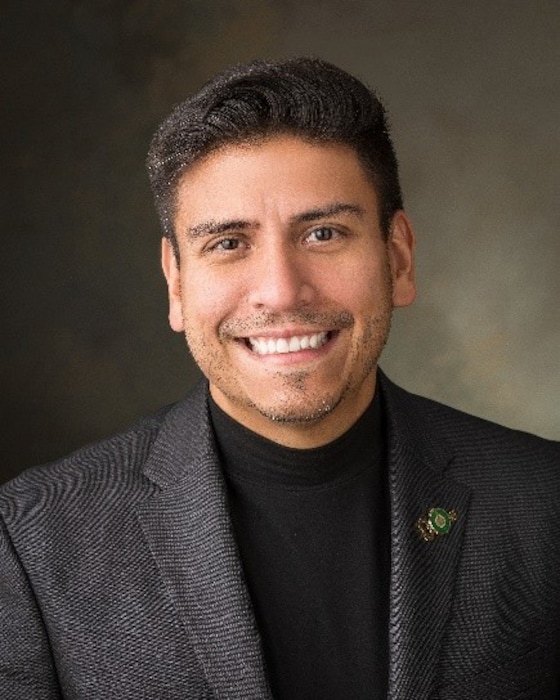
(Alejandro Puy) Alejandro Puy represents Salt Lake City’s District 2 and currently serves as Council Chair.
Alejandro Puy represents Salt Lake City’s District 2 and currently serves as Council Chair. An immigrant from Argentina who worked his way through BYU to earn a political science degree, Puy is a public policy professional and local business owner. Since taking office, he has championed long-overdue investments and resources for Westside neighborhoods — including Glendale, Poplar Grove, Rio Grande and the Granary District — driven by a commitment to community-led growth.
This piece originally appeared on The Salt Lake Tribune website. Click here to read the original article.