
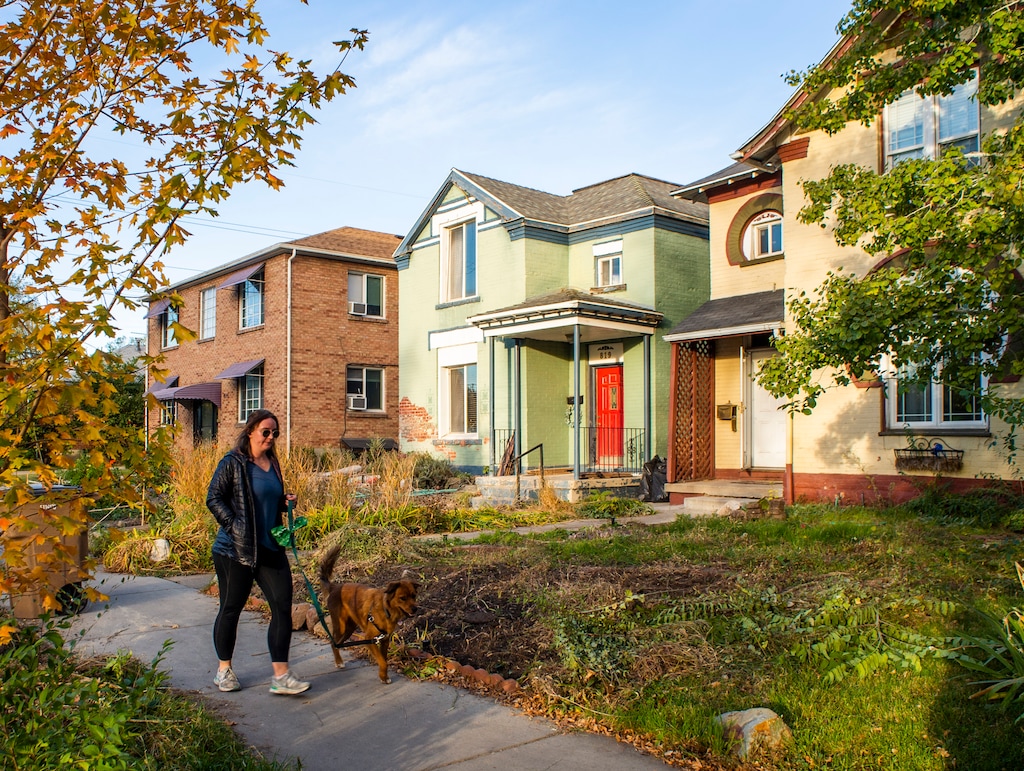
Salt Lake City residents are running hot, cold and somewhere in between on City Hall’s latest proposals to expand housing options over large swaths of residential neighborhoods.
In an ambitious bid to entice more dwellings like starter homes and duplexes that tend to have lower price tags, Utah’s capital is vetting new zoning rules that could open up options for smaller backyard dwellings on up to three-quarters of existing residential lots citywide.
Known as expanding housing options, or EHO, the rules are being designed to encourage what city planners call “gentle infill” alongside existing homes.
Supporters see it as vital to a future that weaves workers and new families into the city’s future fabric. Opponents describe it as a major gamble that threatens to alter or even destroy the character of existing neighborhoods, with a host of unforeseen consequences.
The draft changes would affect what is permitted on more than a third of all city land and 77% of all parcels currently zoned for residences, although planners predict far fewer lots will actually qualify.
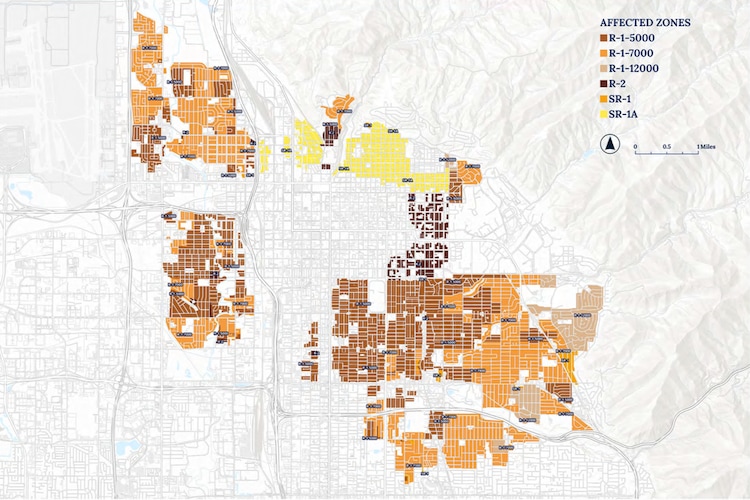
(Salt Lake City) A map showing residential zones where Salt Lake City hopes to tweaks its zoning and design rules to expand construction of smaller backyard dwellings.
The goal, they say, is simple:
“Allow new housing that would be more affordable for Salt Lakers, especially families looking to buy their first home,” said senior planner Andy Hulka, “and that would include additional building types like duplexes, triplexes, town homes.”
After a spring and summer spent airing these ideas in more than a dozen community forums and taking residents’ input, planners under Mayor Erin Mendenhall are about to light up a new phase of public review.
That starts Tuesday with a briefing to the City Council on what the latest version of the new housing options look like post community engagement — followed by a crucial hearing Wednesday before the planning commission.
Stark lines of vocal support and opposition for the proposals are already being drawn. City officials say they want to hear it all.
A generational chance to improve affordability?
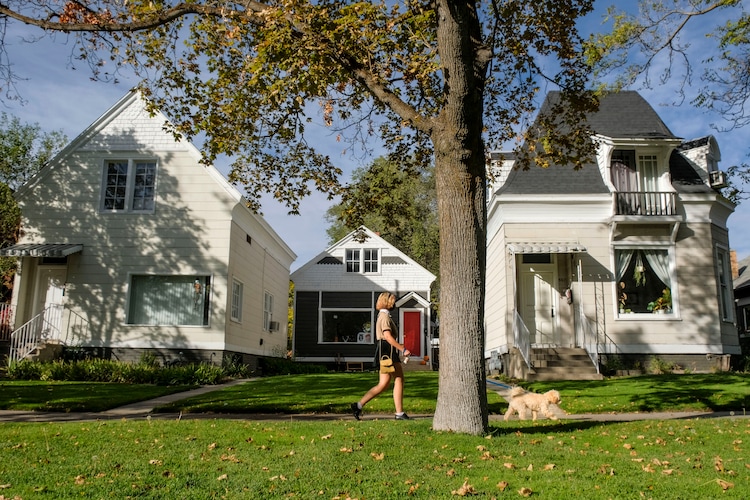
(Leah Hogsten | The Salt Lake Tribune) Residential neighborhoods across Salt Lake City could see new options for building smaller homes, duplexes, triplexes and town homes on existing lots.
A wide coalition of housing agencies, think tanks, grassroots groups, homebuilders, real estate agents and advocates for residential development are rallying in favor of the zoning changes, with a Salt Lake City nonprofit called Wasatch Advocates for Livable Communities leading out.
The group has organized a news conference for the west steps of City Hall just ahead of Wednesday’s 5:30 p.m. planning commission hearing and likely vote to recommend whether the City Council approve or turn down the new options.
Turner Bitton, executive director for Wasatch Advocates for Livable Communities, said the EHOs offer a generational opportunity to put the city on a more inclusive and affordable course.
“This proposal,” Bitton said in a statement, “is the product of years of research, coalition-building and organizing — grounded in the simple, evidence-backed idea that the small homes, duplexes, triplexes, and fourplexes already woven into our most beloved neighborhoods can be legal to build again.”
Wednesday’s vote isn’t just about a zoning ordinance, he added. “It’s a vote on whether the next generation of our workforce and young families get to call Salt Lake City home.”
The notion, he said, is to create housing affordability at a market wide scale.
“It’s not going to happen overnight. It’s not going to transform neighborhoods tomorrow,” Bitton said. “But it puts us on a trajectory to growing into the medium-sized city where we’re growing in a way that people can own a piece of it and find their place in it.”
A gamble that could wreck existing neighborhoods?
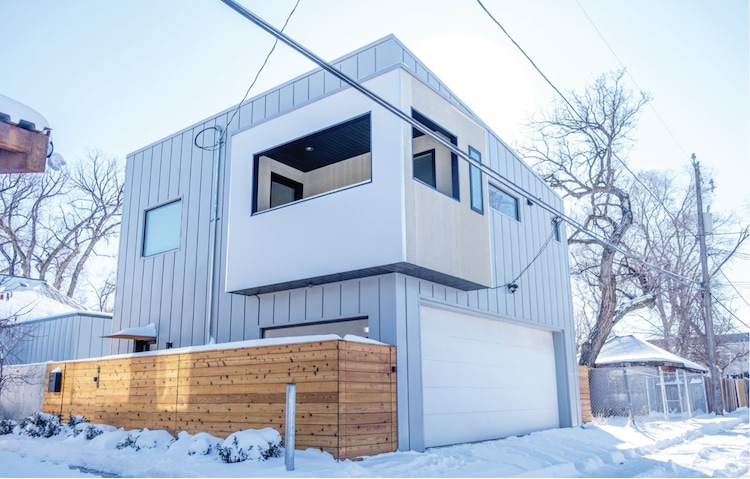
(Courtesy of Salt Lake City Planning Department). New smaller dwellings would be permitted over up to a third of the city's footprint, although planners say only some properties will qualify.
On the other side of the debate, a group dubbed the Neighborhood Housing Alliance is urging residents to turn out and tell the commission and City Council to postpone approving the new zoning codes.
The group includes past officers on a variety of community councils, the planning commission, city boards and what it calls “grassroots committees” engaged on housing issues.
Hitting pause on the proposals, the group says on its website, would allow for “fresh thinking” and additional publicity to draw more residents into shaping the city’s housing future.
City leaders, a group spokesperson said, should “not gamble with decades‑old established and thriving neighborhoods.”
“It is worth asking why detached single-family homes — the housing type many young and growing families continue to prefer — are under increasing pressure by current planning proposals,” veteran construction executive and apartment owner-manager Peter Wetzel wrote in a recent Salt Lake Tribune op-ed.
Wetzel also takes issue with the city’s approach of modeling some of its smaller-home strategies on those deployed in places such as Houston; Portland, Oregon; and Durham, North Carolina.
That tack, he wrote, overlooks potential problems with overburdening utilities, disrupting property values and parking, and diminishing quality of life for existing residents.
Forcing density, Wetzel said, “will leave Salt Lake City’s fabric incongruous and aesthetically marred.”
Planners say they’re listening
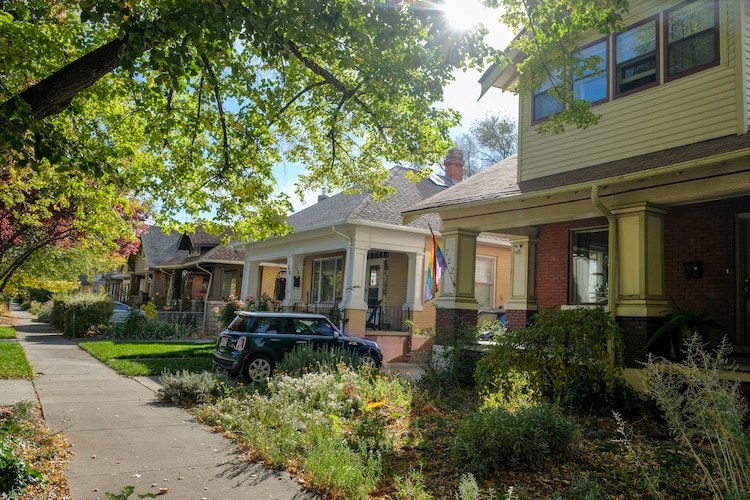
(Leah Hogsten | The Salt Lake Tribune) The "expanding housing options" plan aims to tuck starter homes, duplexes, triplexes, fourplexes and town homes into existing residential neighborhoods.
The new zoning proposal would allow small single-family dwellings, duplexes, triplexes, fourplexes and town homes of up to four units on smaller lots than are allowed now, across what are the city’s lower-density neighborhoods.
The EHOs also alter development standards for some the city’s most common residential areas — known in zoning terms as R-1, R-2, SR-1 and SR-1A — by tweaking permitted home lot dimensions, building heights, setbacks from other properties, how much of a lot the home might cover and other changes.
The provisions for smaller dwellings are central what the city hopes to accomplish. Those would be allowed on contiguous areas of 2,000 square feet on existing residential lots, accommodating homes as small as 1,200 square feet on those footprints.
All this, Hulka and other planners say, while also customizing the changes in each of those zones to ensure any new housing remains compatible with the character of existing neighborhoods.
That has been reflected in limits on footprint sizes, building heights and setback changes, depending on the residential zone, said city planner Benjamin Buckley, and planners are open to more revisions, based on feedback.
Other common concerns from public input so far include the reduced front yard setbacks; building heights; worries about privacy when adjacent homes go up; whether new units would be owner-occupied; and parking.
As they now stand, the rules call for one off-street parking stall per new home built.
All the city’s modeling so far points to the rules having similar impacts across the city’s seven City Council districts, Hulka said. And while somewhere around 40,000 properties would see what’s permitted change with the EHOs, planners expect only a relative trickle of new projects per year.
That and evidence so far on the effects of the city’s other housing incentives and new rules on accessory dwellings, according to Buckley, all underline the word “gentle” in terms of “gentle infill.”
“It’s not going to all happen at once,” he said. “It’s going to be over multiple years, where it slowly changes.”
This piece originally appeared on the Salt Lake Tribune website. Click here to read the original article.